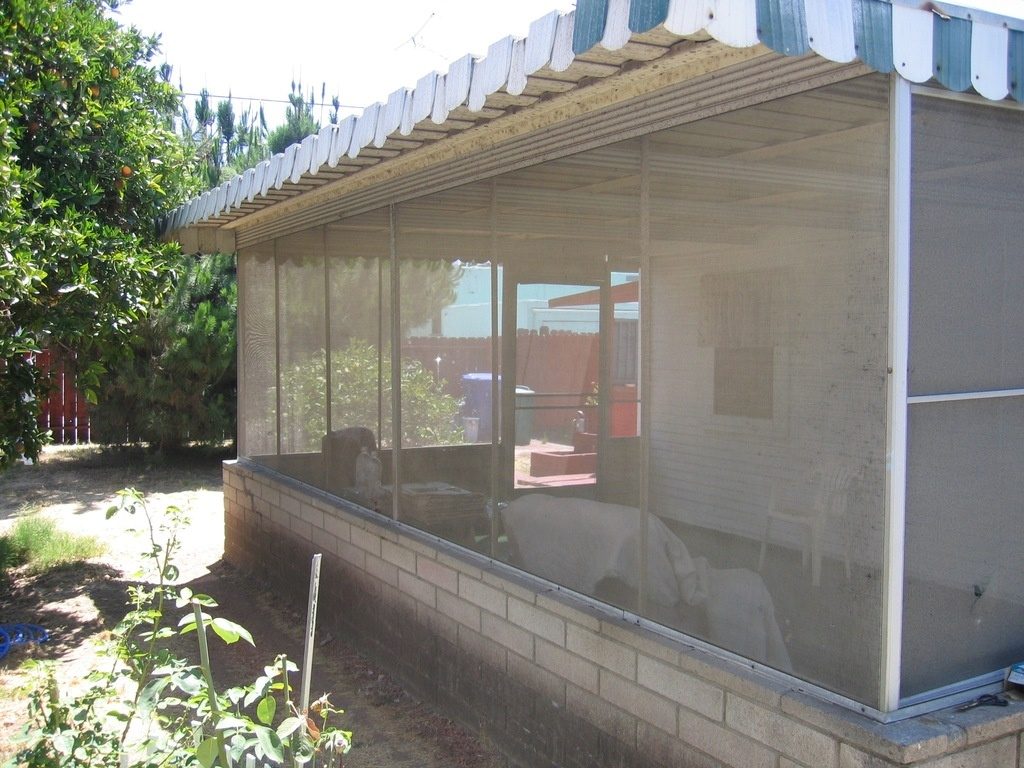
Summer evenings here are warm, sticky and loud with tree frogs. A screened lanai lets you enjoy them without swatting mosquitoes or ducking every afternoon shower. Done well, it becomes a dining room, a reading nook and the place where everyone ends up after a cookout.
Choose the right spot
We watch how sun and shade move across the yard. An east or north side lanai stays far cooler at supper time than a west-facing lanai. If the best view faces west, we plan a deeper roof overhang, solar shades and a ceiling fan with real air movement.
Frame for wind
Screen walls catch more wind than you might expect, so posts, beams and roof connections are tied down with hurricane straps and anchored into a proper footing. Aluminium framing resists rot, while a wood-framed roof with a tongue and groove ceiling feels warmer and suits older homes.
- Use a tighter screen mesh to stop no-see-ums at dusk.
- Add a kick plate along the base so pets and patio chairs do not tear the screen.
- Slope the floor slightly away from the house so rain blown through the mesh drains out.
Make it feel like a room
Outdoor-rated lights on a dimmer, a ceiling fan and a few weatherproof outlets turn a screened box into a living space. Terracotta pavers or textured porcelain stay cool underfoot. Planters of bromeliads and a little bistro table make it feel like part of the house rather than an afterthought.
Plan for storm season
Screens are designed to let wind pass, but loose furniture is not. We add hooks and a storage bench so cushions and chairs can be stowed quickly when a warning comes in. After the storm, a hose-down and a quick check of the spline is usually all it needs.
Before long the lanai becomes the heart of summer, and you will wonder how you ever lived without it.